BelAchid Extra is a feed additive for reducing the level of pathogenic microflora in feed, normalizing digestion, increasing productivity, and improving the preservation of pigs and poultry.
Packaging:
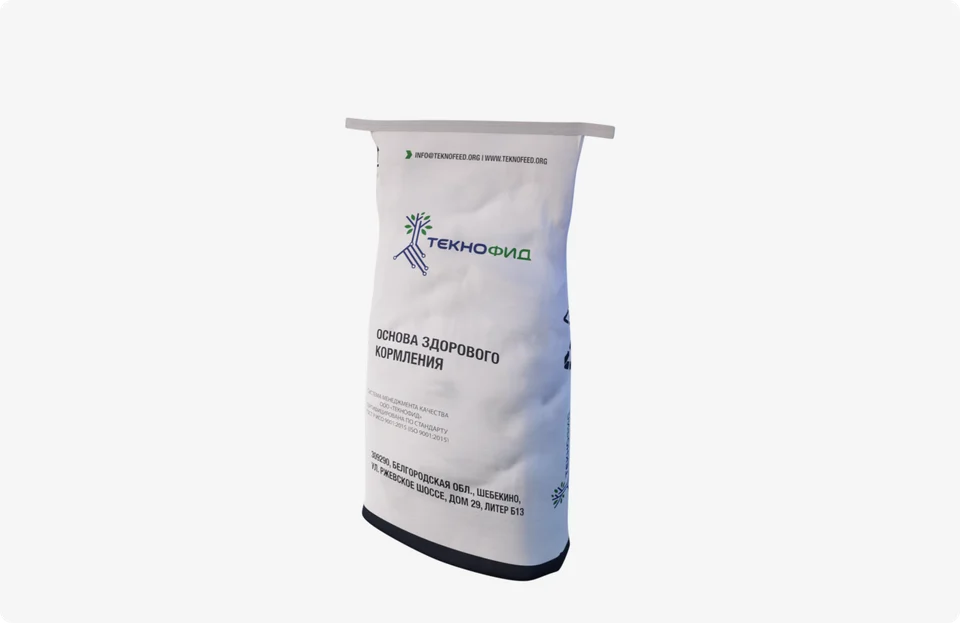
The mixture is supplied in triple- or quadruple-layer paper bags with polyethylene liners, in polypropylene bags or combined material bags of 5, 10, 20, and 25 kg.
Storage conditions:
Shelf life — 24 months from the date of manufacture if storage conditions are observed. Store in the manufacturer’s tightly closed packaging in a dry, well-ventilated place, protected from direct sunlight, at temperatures from –10°C to +30°C.
Composition:
Formic acid – 15%
Citric acid – 12.5%
Propionic acid – 10%
Fumaric acid – 10%
Calcium formate – 9%
Lactic acid – 5%
Calcium propionate – 3%
Benzoic acid – 1%
Acetic acid – 0.5%
Sorbic acid – 0.5%
Lauric acid – 0.5%
Filler based on natural clay minerals activated in the firing process, silicon dioxide, and natural sorbent (up to 100%).
Mechanism of action:
BelAcid has acidifying, antibacterial, and fungicidal properties.
The organic acids in the additive create a highly effective combination with synergistic action, enhancing the effectiveness of each component. The combination of tricarboxylic citric acid and poorly dissociated fumaric acid increases the buffer capacity of feed.
Indications for use:
- To normalize gastrointestinal microflora in pigs and poultry;
- To improve the digestion process;
- To enhance the secretory activity of the gastrointestinal tract;
- To reduce feed buffer capacity (BC);
- To increase productivity and preservation of pigs and poultry;
- To improve feed conversion.
Dosage and directions for use:
Broilers, layers: 0.5–1.5 kg per ton of feed
Piglets, sows: 1.0–2.0 kg per ton of feed
Pigs (fattening and replacement young): 0.5–2.0 kg per ton of feed
Cattle: calves, growers – 1.0–2.0 kg per ton of feed
The feed mixture with BelAcid for feed acidification is introduced into premixes, compound feeds, and concentrates at premix and compound feed factories or directly on farms using various types of feed technology.