
Lafeed | Stress Support Supplements for Farm Animals
Heat stress is the body's physiological response to conditions outside its comfortable thermoneutral zone
Diagram: adverse consequences of heat stress.
During heat stress, body temperature rises, blood is redirected away from the gastrointestinal tract and internal organs, blood pressure falls and breathing becomes faster. Oxygen delivery and nutrient supply to intestinal enterocytes decline.
The integrity of the intestinal epithelium is disrupted, allowing pathogenic microorganisms and their toxins to enter the bloodstream and contributing to leaky gut syndrome.
The immune system responds to these pathogens and toxins. Activating the immune system to control inflammation requires substantial energy and nutrients that would otherwise support growth, reproduction and meat, milk and egg production.
These adverse effects can persist for up to 6 weeks after ambient temperatures fall.
The integrity of the intestinal epithelium is disrupted, allowing pathogenic microorganisms and their toxins to enter the bloodstream and contributing to leaky gut syndrome.
The immune system responds to these pathogens and toxins. Activating the immune system to control inflammation requires substantial energy and nutrients that would otherwise support growth, reproduction and meat, milk and egg production.
These adverse effects can persist for up to 6 weeks after ambient temperatures fall.
Neotherm is a combination of components designed to prevent heat stress and minimise its adverse effects in animals, including poultry.
Active protection against heat stress and its consequences
Indications for use
Improve resilience to heat stress.
Restore alkaline balance and prevent dehydration.
Normalise circulation, respiration and thermoregulation.
Optimise metabolism and energy balance.
Reduce the rate of oxidative reactions.
Prevent physiological depression while maintaining reproductive function.
Support the immune and antioxidant systems.
Stimulate feed intake.
Dosage: 1.5–2 L per tonne of water.
Improve resilience to heat stress.
Restore alkaline balance and prevent dehydration.
Normalise circulation, respiration and thermoregulation.
Optimise metabolism and energy balance.
Reduce the rate of oxidative reactions.
Prevent physiological depression while maintaining reproductive function.
Support the immune and antioxidant systems.
Stimulate feed intake.
Dosage: 1.5–2 L per tonne of water.
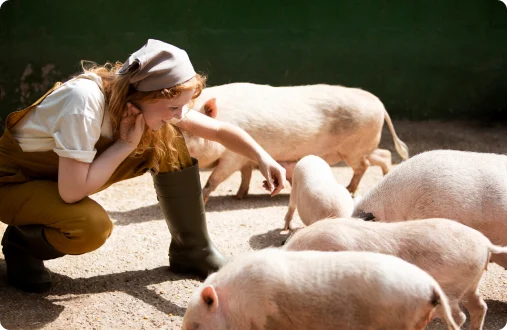
Veo is a natural anti-stress product with a mild sedative effect at the neurohumoral and nervous-system level. During exposure to stress factors, it reduces the speed and intensity of signals reaching the hypothalamus and converts stress signals into hunger signals.
Indications for use
Improve feed intake, weight gain and productivity.
Reduce the adverse effects of stress on the respiratory, nervous and neurohumoral systems.
Stimulate taste receptors to increase saliva and enzyme production.
Mask unpleasant odours in feeds and feed additives.
Convert stress signals into hunger signals.
Dosage: 0.4–1.5 kg per tonne of compound feed.
Improve feed intake, weight gain and productivity.
Reduce the adverse effects of stress on the respiratory, nervous and neurohumoral systems.
Stimulate taste receptors to increase saliva and enzyme production.
Mask unpleasant odours in feeds and feed additives.
Convert stress signals into hunger signals.
Dosage: 0.4–1.5 kg per tonne of compound feed.
Winox is a natural organic source of vitamin P that protects animals, including poultry, from the adverse effects of production-related and heat stress.
Indications for use
Protect neurons, macrophages and cell membranes against lipid peroxidation.
Increase formation of the protective intestinal mucus layer.
Reduce the release of histamine, serotonin and arachidonic acid.
Suppress pathogenic fungi, including Fusarium and Aspergillus, and bacteria, including Listeria, Pseudomonas, E. coli, Staphylococcus aureus and Aeromonas hydrophila.
Increase glucose and lipid metabolism.
Support oocyte maturation and embryo development.
Increase progesterone secretion.
Stimulate vitamin C accumulation in the liver.
Reduce oxidation of vitamins E and C.
Dosage: 20–50 g per tonne of compound feed. For cows: 200–250 g per tonne of compound feed.
Protect neurons, macrophages and cell membranes against lipid peroxidation.
Increase formation of the protective intestinal mucus layer.
Reduce the release of histamine, serotonin and arachidonic acid.
Suppress pathogenic fungi, including Fusarium and Aspergillus, and bacteria, including Listeria, Pseudomonas, E. coli, Staphylococcus aureus and Aeromonas hydrophila.
Increase glucose and lipid metabolism.
Support oocyte maturation and embryo development.
Increase progesterone secretion.
Stimulate vitamin C accumulation in the liver.
Reduce oxidation of vitamins E and C.
Dosage: 20–50 g per tonne of compound feed. For cows: 200–250 g per tonne of compound feed.
Recommended programmes for preventing heat stress and its consequences in all farm animals and poultry
Related articles
Nutrition directly affects birds' growth, development and overall condition, so feed must meet all their requirements.
Fermented feed is becoming increasingly popular because of its high digestibility and beneficial effects on animal health.
Quality control at every stage of feed production is essential to product safety and effectiveness.
How to choose the right feed for poultry
Benefits of fermented feed
Why feed quality control matters
Learn more Learn more Learn more