


Heat stress is the body's physiological response to an imbalance between ambient temperature and the heat it produces, taking the animal outside its comfortable thermoneutral zone
Recommended programmes for preventing heat stress and its consequences in ruminants
Programme 1.
Increase feed intake, optimise digestion, minimise productivity losses and support reproductive function. This helps stabilise body temperature, improve feed palatability and the supply of energy and nutrients, and maintain reproduction by sustaining feed intake and digestibility during heat stress.
Increase feed intake, optimise digestion, minimise productivity losses and support reproductive function. This helps stabilise body temperature, improve feed palatability and the supply of energy and nutrients, and maintain reproduction by sustaining feed intake and digestibility during heat stress.
Programme 2.
Stabilise body temperature, prevent nutrient losses from feed and preserve palatability while maintaining feed intake and digestibility, which is particularly important in summer.
Stabilise body temperature, prevent nutrient losses from feed and preserve palatability while maintaining feed intake and digestibility, which is particularly important in summer.
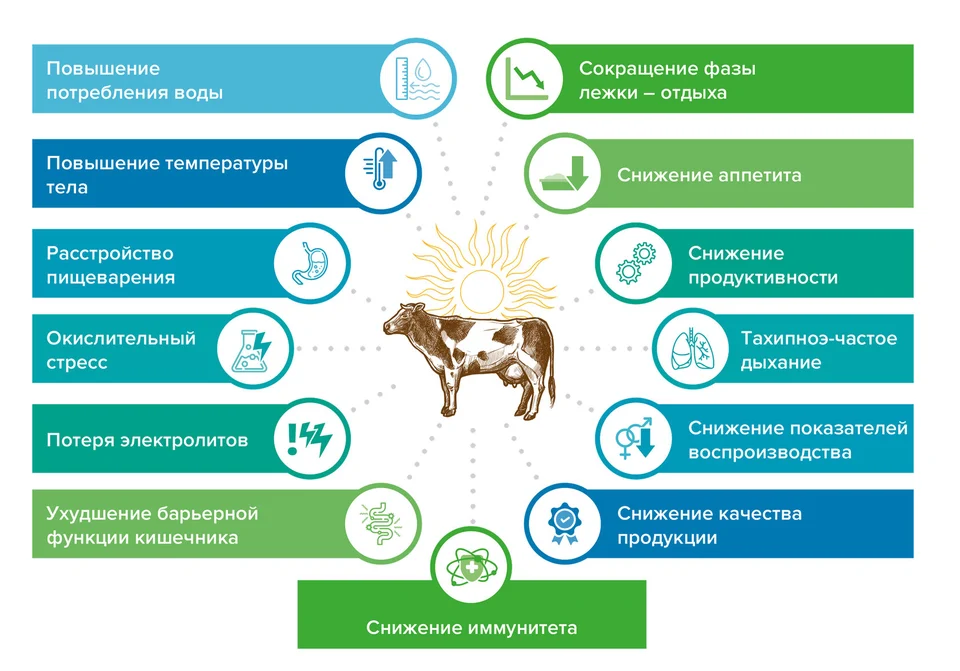
Diagram: adverse consequences of heat stress in ruminants
Approaches to managing heat stress
Increasing dietary energy and protein, feeding in the evening, and using fans and sprinklers can help cool animals and maintain feed intake. However, cows may still move outside their thermoneutral zone, resulting in milk losses. The aim is therefore to minimise the adverse effects of heat stress on biological processes and production performance. Specialised feed additives provide an additional tool.
LIVE YEAST
Active Yeast contains highly active yeast strains at 2 × 10¹⁰ CFU/g. They support rumen digestion, stabilise rumen pH and stimulate cellulolytic bacteria. This improves feed digestion, increases milk fat and microbial protein production in the rumen, and supplies additional energy and nutrients. Microbial protein is a major amino acid source for the cow.
Dosage for cows: 10 g/head/day.
PLANT EXTRACTS AND ESSENTIAL OILS
OleobiotEc is a combination of digestive and metabolic regulators. It is designed to increase feed intake, stimulate saliva production, optimise carbohydrate and protein nutrition, balance the gastrointestinal microbiota and enzyme production, and minimise the effects of pathogens on physiological processes.
• The active essential-oil components carvacrol, thymol and cinnamaldehyde promote antioxidant processes and production of glutathione, a major antioxidant in the body. It neutralises free radicals and facilitates their removal, helping prevent oxidative stress, disease and reduced productivity. These components also have antibacterial and anti-inflammatory properties, providing protection against pathogens.
• Carefully selected combinations of spice extracts and essential oils can improve feed flavour, intake and digestibility. This allows cattle to obtain more energy from feed, supporting liveweight gain, reproduction, productivity and product quality.
• Spice extracts stimulate saliva production and bicarbonate recycling. Bicarbonate is a natural buffer that helps maintain blood pH; the normal ratio of HCO3− to CO2 is approximately 20:1 (Baumgard et al., 2006).
Dosage for cows: 2 g/head/day.
ORGANIC ACIDS
BelAchid
Organic acids stimulate the growth of Selenomonas ruminantium, a dominant rumen bacterium accounting for 21–51% of rumen bacteria. This increases microbial biomass and the production of volatile fatty acids and propionate. Changes in blood flow as the body protects itself against overheating damage intestinal epithelial cells and reduce resistance to pathogens. These processes impair immunity and nutrient absorption and can cause diarrhoea, worsening losses of water and electrolytes and the energy deficit. BelAchid is an organic acid blend that stimulates Selenomonas ruminantium, which accounts for 21–51% of rumen bacteria. This increases rumen microbial biomass, volatile fatty acids and propionate. The acids also have strong antimicrobial and fungicidal activity in both feed and the animal, helping prevent feed heating and fermentation at the feed bunk. They provide an additional energy source through the Krebs cycle.
Dosage for cows: 50–100 g/head/day.
ELECTROLYTES AND METABOLIC REGULATORS
Neotherm combines components that help prevent heat stress and minimise its adverse effects. It improves resilience, supports restoration of alkaline balance, prevents dehydration, normalises circulation, respiration and thermoregulation, and optimises metabolism. It reduces oxidative reactions while maintaining reproductive performance.
Dosage for cows: 70–120 mL/head/day.
ANTIOXIDANTS
Winox is a natural organic source of vitamin P that protects animals against oxidative processes during heat stress while maintaining reproductive function.
It suppresses pathogenic fungi, including Fusarium and Aspergillus, and bacteria, including Listeria, Pseudomonas, E. coli, Staphylococcus aureus and Aeromonas hydrophila. It protects neurons, macrophages and cell membranes from lipid peroxidation and increases glucose and lipid metabolism. Its active components also promote protective intestinal mucus formation, reduce histamine, serotonin and arachidonic acid synthesis, and increase progesterone secretion. Grape seed extract supports oocyte maturation and embryo development, reduces oxidation of vitamins E and C in feed and increases their activity in the animal.
Dosage for cows: 200–250 g per tonne of compound feed.
LIVE YEAST
Active Yeast contains highly active yeast strains at 2 × 10¹⁰ CFU/g. They support rumen digestion, stabilise rumen pH and stimulate cellulolytic bacteria. This improves feed digestion, increases milk fat and microbial protein production in the rumen, and supplies additional energy and nutrients. Microbial protein is a major amino acid source for the cow.
Dosage for cows: 10 g/head/day.
PLANT EXTRACTS AND ESSENTIAL OILS
OleobiotEc is a combination of digestive and metabolic regulators. It is designed to increase feed intake, stimulate saliva production, optimise carbohydrate and protein nutrition, balance the gastrointestinal microbiota and enzyme production, and minimise the effects of pathogens on physiological processes.
• The active essential-oil components carvacrol, thymol and cinnamaldehyde promote antioxidant processes and production of glutathione, a major antioxidant in the body. It neutralises free radicals and facilitates their removal, helping prevent oxidative stress, disease and reduced productivity. These components also have antibacterial and anti-inflammatory properties, providing protection against pathogens.
• Carefully selected combinations of spice extracts and essential oils can improve feed flavour, intake and digestibility. This allows cattle to obtain more energy from feed, supporting liveweight gain, reproduction, productivity and product quality.
• Spice extracts stimulate saliva production and bicarbonate recycling. Bicarbonate is a natural buffer that helps maintain blood pH; the normal ratio of HCO3− to CO2 is approximately 20:1 (Baumgard et al., 2006).
Dosage for cows: 2 g/head/day.
ORGANIC ACIDS
BelAchid
Organic acids stimulate the growth of Selenomonas ruminantium, a dominant rumen bacterium accounting for 21–51% of rumen bacteria. This increases microbial biomass and the production of volatile fatty acids and propionate. Changes in blood flow as the body protects itself against overheating damage intestinal epithelial cells and reduce resistance to pathogens. These processes impair immunity and nutrient absorption and can cause diarrhoea, worsening losses of water and electrolytes and the energy deficit. BelAchid is an organic acid blend that stimulates Selenomonas ruminantium, which accounts for 21–51% of rumen bacteria. This increases rumen microbial biomass, volatile fatty acids and propionate. The acids also have strong antimicrobial and fungicidal activity in both feed and the animal, helping prevent feed heating and fermentation at the feed bunk. They provide an additional energy source through the Krebs cycle.
Dosage for cows: 50–100 g/head/day.
ELECTROLYTES AND METABOLIC REGULATORS
Neotherm combines components that help prevent heat stress and minimise its adverse effects. It improves resilience, supports restoration of alkaline balance, prevents dehydration, normalises circulation, respiration and thermoregulation, and optimises metabolism. It reduces oxidative reactions while maintaining reproductive performance.
Dosage for cows: 70–120 mL/head/day.
ANTIOXIDANTS
Winox is a natural organic source of vitamin P that protects animals against oxidative processes during heat stress while maintaining reproductive function.
It suppresses pathogenic fungi, including Fusarium and Aspergillus, and bacteria, including Listeria, Pseudomonas, E. coli, Staphylococcus aureus and Aeromonas hydrophila. It protects neurons, macrophages and cell membranes from lipid peroxidation and increases glucose and lipid metabolism. Its active components also promote protective intestinal mucus formation, reduce histamine, serotonin and arachidonic acid synthesis, and increase progesterone secretion. Grape seed extract supports oocyte maturation and embryo development, reduces oxidation of vitamins E and C in feed and increases their activity in the animal.
Dosage for cows: 200–250 g per tonne of compound feed.
Preventing heat stress and minimising its effects supports animal health and high productivity
Products
Products: 86
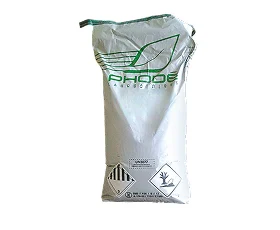
OleobiotEc
- Category:
- Phytobiotics
- Livestock sector:
- Cattle, poultry, swine
- Packaging:
- 20 kg bags
- Composition:
- Essential oils and spice blend
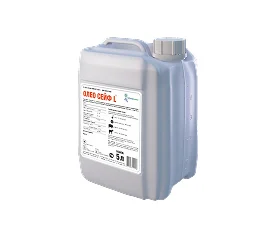
Oleo Safe L
- Category:
- Phytobiotics
- Livestock sector:
- Cattle, poultry, swine
- Packaging:
- 5 L canister
- Composition:
- Essential oil complex

Oleo Safe P
- Category:
- Phytobiotics
- Livestock sector:
- Cattle, poultry, swine
- Packaging:
- 25 kg bags
- Composition:
- Essential oil complex
Thynofac
- Category:
- Phytobiotics
- Livestock sector:
- Poultry, swine
- Packaging:
- 25 kg bags
- Composition:
- Essential oil complex
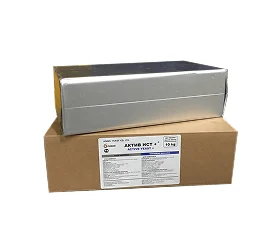
Active Yeast
- Category:
- Probiotics
- Livestock sector:
- Cattle, poultry, swine
- Packaging:
- 10 kg vacuum-sealed bricks
- Composition:
- 100% Saccharomyces cerevisiae yeast
Yeast Pro
- Category:
- Probiotics
- Livestock sector:
- Cattle
- Packaging:
- 25 kg bags
- Composition:
- Multifunctional complex
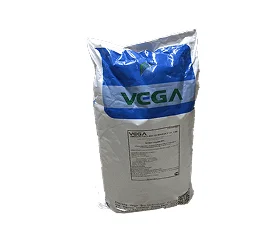
Active Three
- Category:
- Probiotics
- Livestock sector:
- Cattle, poultry, swine
- Packaging:
- 25 kg bags
- Composition:
- Probiotic complex
Active Three W (Water-Soluble)
- Category:
- Probiotics
- Livestock sector:
- Cattle, poultry, swine
- Packaging:
- 20 kg bags
- Composition:
- Probiotic complex

Immunoflor (Water-Soluble)
- Category:
- Probiotics
- Livestock sector:
- Cattle, poultry, swine
- Packaging:
- 1 kg packs
- Composition:
- Probiotic complex
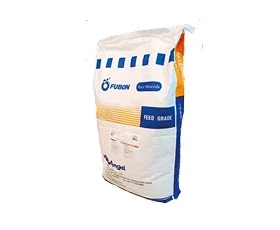
Beta-Glucan
- Category:
- Prebiotics
- Livestock sector:
- Poultry, swine
- Packaging:
- 25 kg bags
- Composition:
- β-glucans
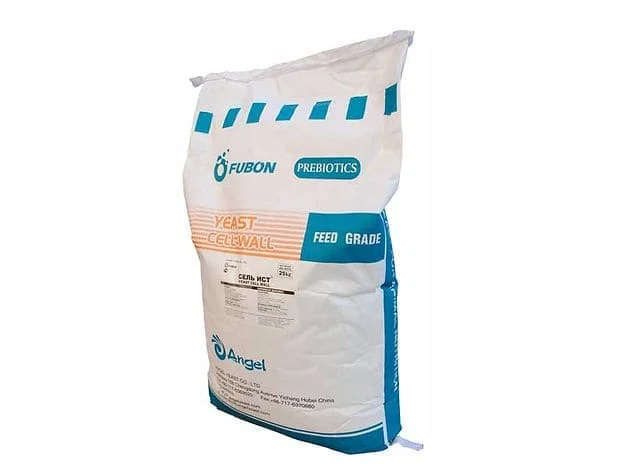
Cell Yeast
- Category:
- Prebiotics
- Livestock sector:
- Cattle, poultry, swine
- Packaging:
- 25 kg bags
- Composition:
- Yeast cell walls
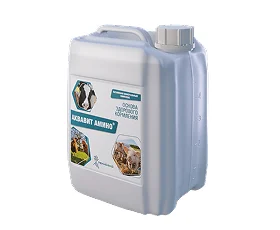
AquaVit Amino
- Category:
- Vitamin and mineral complexes
- Livestock sector:
- Cattle, poultry, swine
- Packaging:
- 5 L canister
- Composition:
- Multivitamin complex
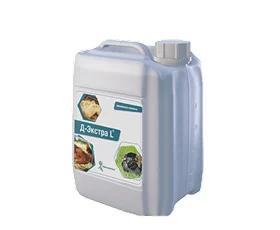
D-Extra L
- Category:
- Vitamin and mineral complexes
- Livestock sector:
- Poultry
- Packaging:
- 5 L canister
- Composition:
- Multivitamin complex
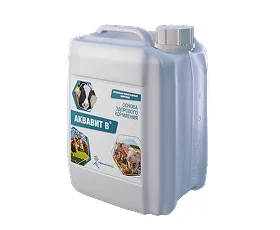
AquaVit B
- Category:
- Vitamin and mineral complexes
- Livestock sector:
- Cattle, poultry, swine
- Packaging:
- 5 L canister
- Composition:
- Multivitamin complex
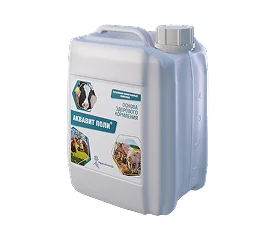
AquaVit POLY
- Category:
- Vitamin and mineral complexes
- Livestock sector:
- Cattle, poultry, swine
- Packaging:
- 5 L canister
- Composition:
- Multivitamin complex

AquaVit Turbo
- Category:
- Vitamin and mineral complexes
- Livestock sector:
- Cattle, poultry, swine
- Packaging:
- 5 L canister
- Composition:
- Complex of vitamins and minerals
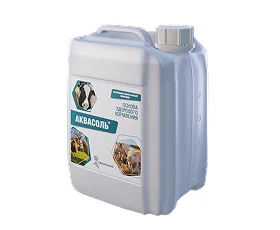
Aquasol
- Category:
- Vitamin and mineral complexes
- Livestock sector:
- Cattle, poultry, swine
- Packaging:
- 5 L canister
- Composition:
- Complex of vitamins and minerals
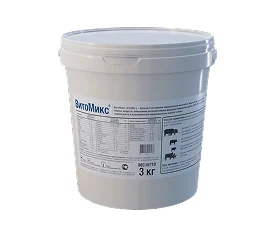
Vitomix M Grade
- Category:
- Vitamin and mineral complexes
- Livestock sector:
- Cattle, swine
- Packaging:
- 3 kg buckets
- Composition:
- Multivitamin complex
Vitomix M Grade
- Category:
- Vitamin and mineral complexes
- Livestock sector:
- Cattle, swine
- Packaging:
- 3 kg buckets
- Composition:
- Multivitamin complex
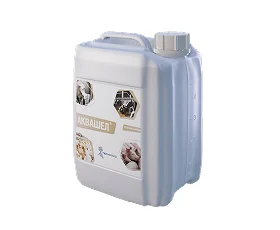
AquaChel
- Category:
- Vitamin and mineral complexes
- Livestock sector:
- Poultry, swine
- Packaging:
- 5 L canister
- Composition:
- Complex of vitamins and minerals
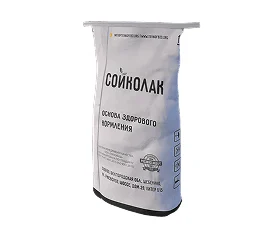
Soycolac
- Category:
- Fermented functional products
- Livestock sector:
- Cattle, poultry, swine
- Packaging:
- 25 kg bags
- Composition:
- 100% Soy Fermented Protein
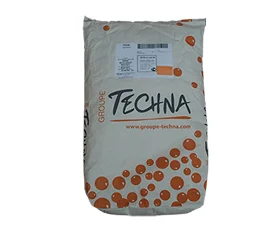
Novatan 50
- Category:
- Digestive regulators
- Livestock sector:
- Cattle
- Packaging:
- 25 kg bags
- Composition:
- Mineral and essential oil complex
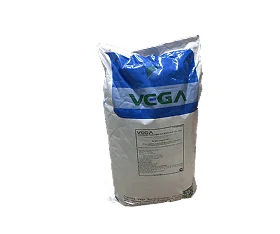
Butyrate Calcium 90%
- Category:
- Butyrates (butyric acid salts)
- Livestock sector:
- Cattle, poultry, swine
- Packaging:
- 25 kg bags
- Composition:
- Calcium butyrate
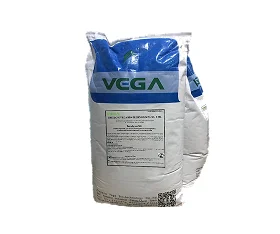
VegaButy 30+
- Category:
- Butyrates (butyric acid salts)
- Livestock sector:
- Cattle, poultry, swine
- Packaging:
- 25 kg bags
- Composition:
- Protected sodium butyrate
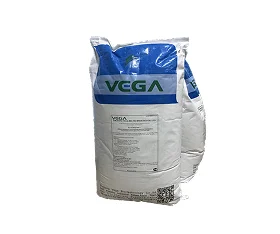
Butyenergy+
- Category:
- Butyrates (butyric acid salts)
- Livestock sector:
- Cattle, poultry, swine
- Packaging:
- 25 kg bags
- Composition:
- Protected sodium butyrate
ButyPro
- Category:
- Butyrates (butyric acid salts)
- Livestock sector:
- Cattle, poultry, swine
- Packaging:
- 25 kg bags
- Composition:
- Complex of organic acids and their salts
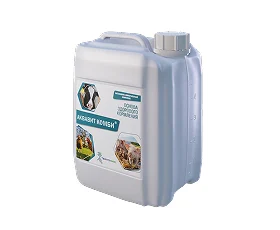
AquaVit Combi
- Category:
- Vitamin and mineral complexes
- Livestock sector:
- Poultry, swine
- Packaging:
- 5 L canister
- Composition:
- Multivitamin complex
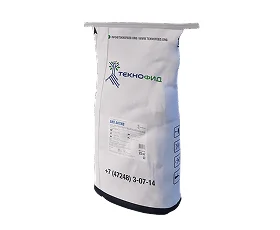
GroPro / Auto Yeast
- Category:
- Protein and amino acid sources
- Livestock sector:
- Cattle, poultry, swine
- Packaging:
- Packaging in 25 kg bags
- Composition:
- Deeply processed protein

Vinasse
- Category:
- Protein and amino acid sources
- Livestock sector:
- Cattle, swine
- Packaging:
- Bulk tank delivery
- Composition:
- Energy-protein complex
Peptilac
- Category:
- Fermented functional products
- Livestock sector:
- Cattle, poultry, swine
- Packaging:
- Packaging in 20 and 25 kg bags
- Composition:
- Deeply processed protein
Canolac
- Category:
- Fermented functional products
- Livestock sector:
- Cattle, poultry, swine
- Packaging:
- Packaging in 20 and 25 kg bags
- Composition:
- 100% rapeseed fermented protein
Cellac
- Category:
- Fermented functional products
- Livestock sector:
- Cattle, poultry, swine
- Packaging:
- Packaging in 20 and 25 kg bags
- Composition:
- Fermented coriander protein
AtoxBio Plus
- Category:
- Mycotoxin binders
- Livestock sector:
- Cattle, poultry, swine
- Packaging:
- Packaging in 10, 20, and 25 kg bags
- Composition:
- Organo-mineral complex
Mineral Activ
- Category:
- Mycotoxin binders
- Livestock sector:
- Cattle, poultry, swine
- Packaging:
- Packaging in 10 and 25 kg bags
- Composition:
- Mineral components
Bio Activ
- Category:
- Mycotoxin binders
- Livestock sector:
- Cattle, poultry, swine
- Packaging:
- Packaging in 10 and 25 kg bags
- Composition:
- Mineral components
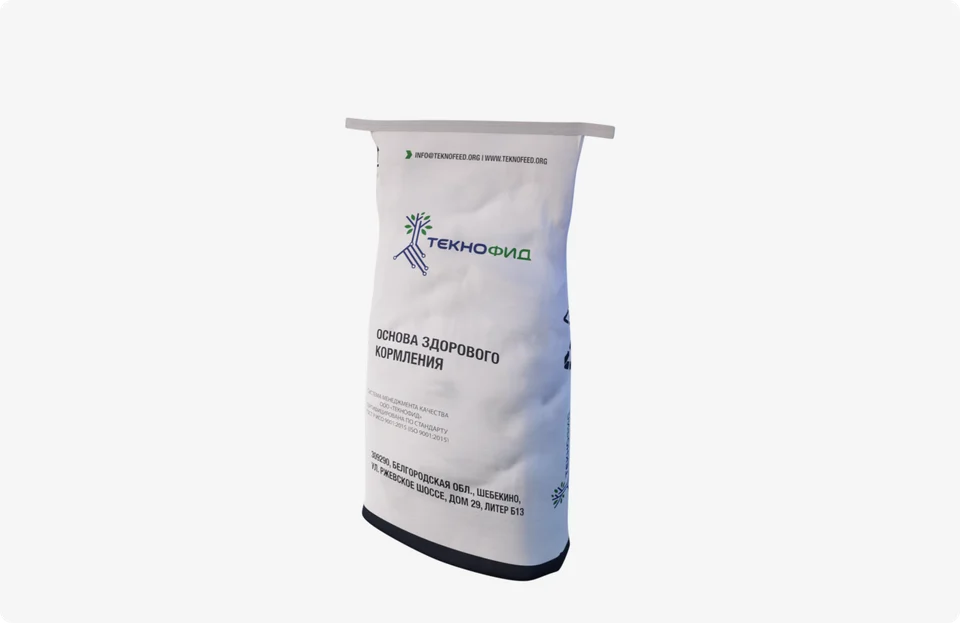
Bio Activ Plus
- Category:
- Mycotoxin binders
- Livestock sector:
- Cattle, poultry, swine
- Packaging:
- Packaging in 10 and 25 kg bags
- Composition:
- Organo-mineral complex

chitsorb
- Category:
- Mycotoxin binders
- Livestock sector:
- Cattle, poultry, swine
- Packaging:
- Packaging in 25 kg bags
- Composition:
- Organo-mineral complex
BelSorb
- Category:
- Mycotoxin binders
- Livestock sector:
- Cattle, poultry, swine
- Packaging:
- 25 kg bags
- Composition:
- Mineral components

Bovino Blank
- Category:
- Boluses
- Livestock sector:
- Cattle
- Packaging:
- Bolus packaging – 10 pcs
- Composition:
- Components for activating the calcium pump

Bovino kompli
- Category:
- Boluses
- Livestock sector:
- Cattle
- Packaging:
- Bolus packaging – 10 pcs
- Composition:
- Components for activating the calcium pump
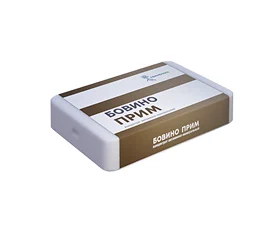
Bovino Prim
- Category:
- Boluses
- Livestock sector:
- Cattle
- Packaging:
- Bolus packaging – 10 pcs
- Composition:
- Multifunctional complex
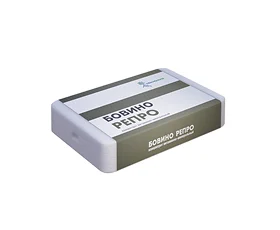
Bovino Repro
- Category:
- Boluses
- Livestock sector:
- Cattle
- Packaging:
- Bolus packaging – 10 pcs
- Composition:
- Multifunctional complex
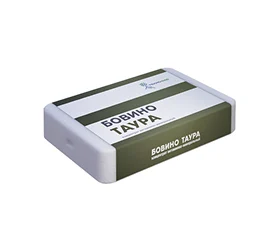
Bovino Taura
- Category:
- Boluses
- Livestock sector:
- Cattle
- Packaging:
- Bolus packaging – 10 pcs
- Composition:
- Multifunctional complex
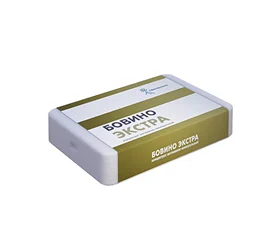
Bovino Extra
- Category:
- Boluses
- Livestock sector:
- Cattle
- Packaging:
- Bolus packaging – 10 pcs
- Composition:
- Components for activating the calcium pump
Veo
- Category:
- Anti-stress products
- Livestock sector:
- Cattle, poultry, swine
- Packaging:
- Packaging in 25 kg bags
- Composition:
- Concentrate of tocopherols with cinnamic aldehyde
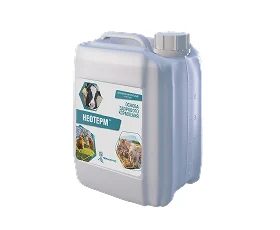
neotherm
- Category:
- Anti-stress products
- Livestock sector:
- Cattle, poultry, swine
- Packaging:
- 5 L canister
- Composition:
- Succinic acid with minerals

Winox
- Category:
- Antioxidants
- Livestock sector:
- Cattle, poultry, swine
- Packaging:
- Packaging in 10 and 25 kg bags
- Composition:
- Organo-mineral complex
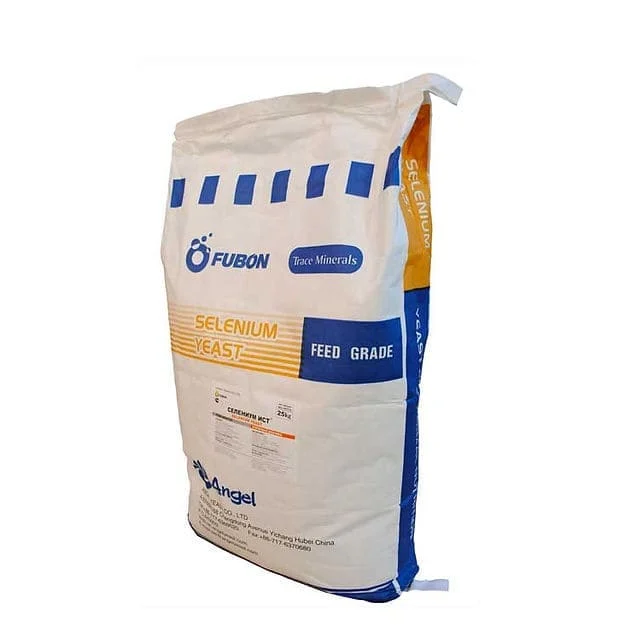
Selenium Yeast 2000
- Category:
- Antioxidants
- Livestock sector:
- Cattle, poultry, swine
- Packaging:
- Packaging in 25 kg bags
- Composition:
- Organic selenium
Selenium Yeast 3000
- Category:
- Antioxidants
- Livestock sector:
- Cattle, poultry, swine
- Packaging:
- Packaging in 25 kg bags
- Composition:
- Organic selenium
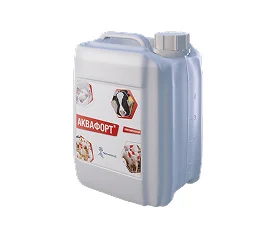
AquaFort
- Category:
- Liver support products
- Livestock sector:
- Cattle, poultry, swine
- Packaging:
- 5 L canister
- Composition:
- Complex hepatoprotector

Hepatofeed
- Category:
- Liver support products
- Livestock sector:
- Cattle, swine
- Packaging:
- Packaging in 25 kg bags
- Composition:
- Hepatoprotector with polyphenols
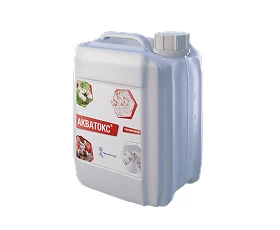
AquaTox
- Category:
- Detoxifying products
- Livestock sector:
- Cattle, poultry, swine
- Packaging:
- 5 L canister
- Composition:
- Complex of biologically active substances
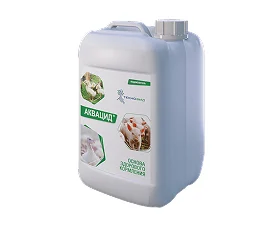
AquaCid
- Category:
- Feed acidifiers
- Livestock sector:
- Cattle, poultry, swine
- Packaging:
- 5 L canister
- Composition:
- Complex of organic acids and their salts

Bisaltec
- Category:
- Feed acidifiers
- Livestock sector:
- Cattle, poultry, swine
- Packaging:
- 5 L canister
- Composition:
- Complex of organic acids and their salts
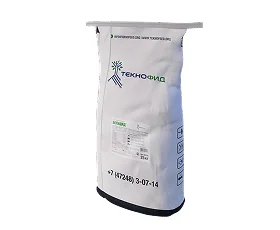
BelAchid
- Category:
- Feed acidifiers
- Livestock sector:
- Cattle, poultry, swine
- Packaging:
- Packaging in 25 kg bags
- Composition:
- Complex of organic acids and their salts
BelAchid Extra
- Category:
- Feed acidifiers
- Livestock sector:
- Cattle, poultry, swine
- Packaging:
- 20 kg and 25 kg bags
- Composition:
- Complex of organic acids and their salts
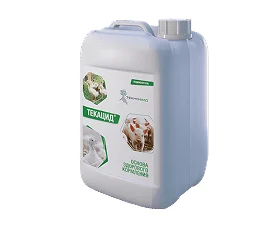
TecaCid
- Category:
- Feed acidifiers
- Livestock sector:
- Cattle, poultry, swine
- Packaging:
- 5 L canister
- Composition:
- Complex of organic acids and their salts
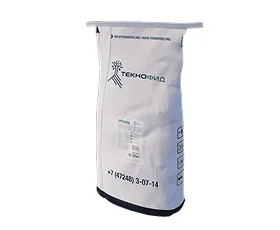
HitAchid
- Category:
- Feed acidifiers
- Livestock sector:
- Poultry, swine
- Packaging:
- Packaging in 25 kg bags
- Composition:
- Complex of organic acids and their salts
HitAchid Extra
- Category:
- Feed acidifiers
- Livestock sector:
- Cattle, poultry, swine
- Packaging:
- Packaging in 25 kg bags
- Composition:
- Complex of organic acids and their salts
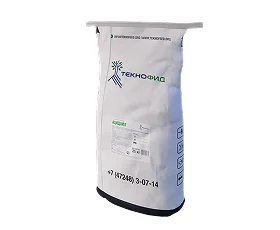
AcidOil
- Category:
- Feed acidifiers
- Livestock sector:
- Cattle, poultry, swine
- Packaging:
- Packaging in 25 kg bags
- Composition:
- Complex of organic acids and essential oils
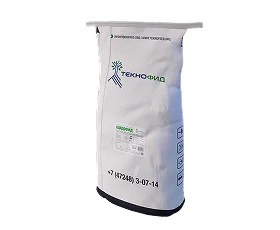
Acidofeed
- Category:
- Feed acidifiers
- Livestock sector:
- Cattle, poultry, swine
- Packaging:
- Packaging in 25 kg bags
- Composition:
- Complex of organic acids and their salts
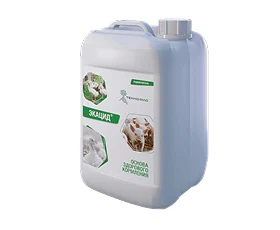
EcaCid
- Category:
- Feed acidifiers
- Livestock sector:
- Cattle, poultry, swine
- Packaging:
- 5 L canister
- Composition:
- Complex of organic acids and their salts

Eteracid
- Category:
- Feed acidifiers
- Livestock sector:
- Cattle, poultry, swine
- Packaging:
- Canister 5 litre
- Composition:
- Complex of organic acids and essential oils
Arbacid
- Category:
- Feed acidifiers
- Livestock sector:
- Cattle, poultry, swine
- Packaging:
- 25 kg bags
- Composition:
- Complex of organic acids and their salts

Nutri Prim
- Category:
- Antidiarrhoeal products
- Livestock sector:
- Cattle, swine
- Packaging:
- Packed in buckets of 3 kg
- Composition:
- Carbohydrate-mineral complex
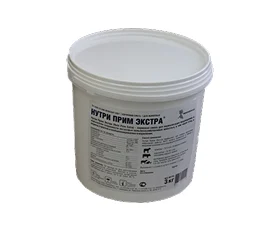
Nutri Prim Extra
- Category:
- Antidiarrhoeal products
- Livestock sector:
- Cattle, swine
- Packaging:
- Packed in buckets of 3 kg
- Composition:
- Polyfunctional complex
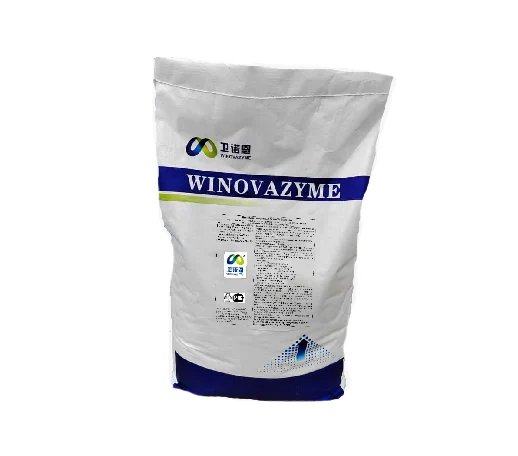
Winovazyme
- Category:
- Enzyme products
- Livestock sector:
- Cattle, poultry, swine
- Packaging:
- 25 kg bags
- Composition:
- Polyenzyme complex
Winovafos - Phytase
- Category:
- Enzyme products
- Livestock sector:
- Swine, poultry
- Packaging:
- 25 kg bags
- Composition:
- Thermostable phytase
WinoLase - Amylase
- Category:
- Enzyme products
- Livestock sector:
- Swine, poultry
- Packaging:
- 25 kg bags
- Composition:
- Thermostable amylase
WinoXyl - Xylanase
- Category:
- Enzyme products
- Livestock sector:
- Swine, poultry
- Packaging:
- 25 kg bags
- Composition:
- Thermostable xynalase
Protease
- Category:
- Enzyme products
- Livestock sector:
- Swine, poultry
- Packaging:
- 25 kg bags
- Composition:
- Thermostable protease
Glucose oxidase
- Category:
- Enzyme products
- Livestock sector:
- Swine, poultry
- Packaging:
- 25 kg bags
- Composition:
- Thermostable glucose oxidase
Xylanase TF
- Category:
- Enzyme products
- Livestock sector:
- Swine, poultry
- Packaging:
- 25 kg bags
- Composition:
- Thermostable xynalase
Cellulase
- Category:
- Enzyme products
- Livestock sector:
- Swine, poultry
- Packaging:
- 25 kg bags
- Composition:
- Thermostable cellulase
Phytase
- Category:
- Enzyme products
- Livestock sector:
- Swine, poultry
- Packaging:
- 25 kg bags
- Composition:
- Thermostable phytase
MultiPro Fos
- Category:
- Enzyme products
- Livestock sector:
- Swine, poultry
- Packaging:
- 25 kg bags
- Composition:
- Enzyme complex
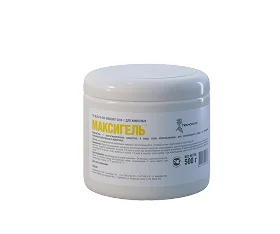
Maxigel
- Category:
- Animal hygiene products
- Livestock sector:
- Cattle
- Packaging:
- Packaging 500 g
- Composition:
- Essential oil complex

Maxigel MS
- Category:
- Animal hygiene products
- Livestock sector:
- Cattle
- Packaging:
- Packaging 500 g
- Composition:
- Essential oil complex
Ultra Light
- Category:
- Animal hygiene products
- Livestock sector:
- Cattle, poultry, swine
- Packaging:
- 25 kg bags
- Composition:
- Complex of mineral and essential components
Ultra Light Plus
- Category:
- Animal hygiene products
- Livestock sector:
- Cattle, poultry, swine
- Packaging:
- 25 kg bags
- Composition:
- Complex of mineral and essential components
Ultra Light Soft
- Category:
- Animal hygiene products
- Livestock sector:
- Cattle, poultry, swine
- Packaging:
- 25 kg bags
- Composition:
- Complex of mineral and essential components
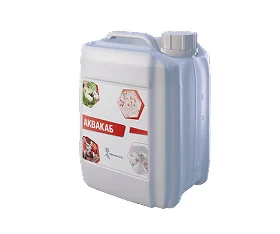
AquaCab
- Category:
- Animal hygiene products
- Livestock sector:
- Cattle, poultry, swine
- Packaging:
- Canister 5 litres
- Composition:
- Essential oil complex
CalciuLight
- Category:
- Vitamin and mineral complexes
- Livestock sector:
- Cattle, swine, poultry
- Packaging:
- 25 kg bags
- Composition:
- Calcium with vitamin D and minerals

Nutri Heal
- Category:
- Antidiarrhoeal products
- Livestock sector:
- Cattle, swine
- Packaging:
- Packed in 3kg bags and buckets
- Composition:
- Carbohydrate and salt complex
AToxBio
- Category:
- Feed acidifiers
- Livestock sector:
- Cattle, swine, poultry
- Packaging:
- 25 kg bags
- Composition:
- Organic acid complex
Ultra Light Classic
- Category:
- Animal hygiene products
- Livestock sector:
- Cattle, poultry, swine
- Packaging:
- 25 kg bags
- Composition:
- Mineral and organic components
No results found
Load more