

Managing heat stress
Heat stress causes numerous problems affecting animal maintenance and productivity. Oxidative stress and a rapid decline in production performance are particularly important consequences.
During hyperthermia, the body redirects available energy away from meat, milk and egg production towards heat dissipation. This can reduce milk yield in cows by up to 40%, stop egg laying in poultry and lower average daily gain in broilers and pigs.
The initial response to hyperthermia is compensatory hyperventilation (polypnoea), which leads to respiratory alkalosis and reflex constriction of abdominal blood vessels. Resulting intestinal mucosal ischaemia impairs nutrient absorption. At the same time, mitochondrial oxidative phosphorylation is disrupted: ATP synthesis becomes much less efficient, and part of the electron flow through the respiratory chain is diverted to superoxide anion production, increasing the concentration of free radicals.
Excess free radicals initiate a cascade of oxidative damage to cellular structures throughout the body, causing inflammation, impaired physiological function and cell death. Oxidative stress is therefore a hidden mechanism that increases the energy spent on cellular maintenance and repair, reducing productivity and survival and ultimately resulting in lost livestock-production revenue.
During hyperthermia, the body redirects available energy away from meat, milk and egg production towards heat dissipation. This can reduce milk yield in cows by up to 40%, stop egg laying in poultry and lower average daily gain in broilers and pigs.
The initial response to hyperthermia is compensatory hyperventilation (polypnoea), which leads to respiratory alkalosis and reflex constriction of abdominal blood vessels. Resulting intestinal mucosal ischaemia impairs nutrient absorption. At the same time, mitochondrial oxidative phosphorylation is disrupted: ATP synthesis becomes much less efficient, and part of the electron flow through the respiratory chain is diverted to superoxide anion production, increasing the concentration of free radicals.
Excess free radicals initiate a cascade of oxidative damage to cellular structures throughout the body, causing inflammation, impaired physiological function and cell death. Oxidative stress is therefore a hidden mechanism that increases the energy spent on cellular maintenance and repair, reducing productivity and survival and ultimately resulting in lost livestock-production revenue.
Reducing the consequences of heat stress requires a systematic approach: optimising housing conditions, including the microclimate and stocking density, together with feeding practices.
First, ventilation systems must be adjusted. Where automated systems cannot sufficiently lower indoor air temperature, air speed and humidity can be managed. Adiabatic cooling and high-pressure fogging systems, together with continuous access to cool water at 10–16°C, provide rapid ways to remove excess metabolic heat. Moving feeding times to cooler periods—morning and evening—can also be highly effective. Stocking density should be optimised during periods of heat stress.
Second, diets should be adjusted because heat stress reduces feed intake and alters mineral metabolism. However, increasing dietary energy density and correcting electrolyte balance address only part of the problem. These measures are often insufficient to fully compensate for heat stress and prevent reduced production performance.
Supporting the genetic potential and productivity of modern high-producing animals therefore requires an integrated approach, including specialised feed additives with components that support metabolism and restore electrolyte balance.
Second, diets should be adjusted because heat stress reduces feed intake and alters mineral metabolism. However, increasing dietary energy density and correcting electrolyte balance address only part of the problem. These measures are often insufficient to fully compensate for heat stress and prevent reduced production performance.
Supporting the genetic potential and productivity of modern high-producing animals therefore requires an integrated approach, including specialised feed additives with components that support metabolism and restore electrolyte balance.
Feed additives used to minimise the effects of heat stress may contain the following components:
Electrolytes such as potassium, sodium and chloride; buffering agents such as sodium bicarbonate; plant extracts and essential oils with antioxidant properties; betaine and probiotic microorganisms; flavourings and palatability enhancers; vitamins and other biologically active substances.
Two feed solutions developed to reduce the effects of heat stress and maintain production performance are Neotherm and Winox.
Two feed solutions developed to reduce the effects of heat stress and maintain production performance are Neotherm and Winox.
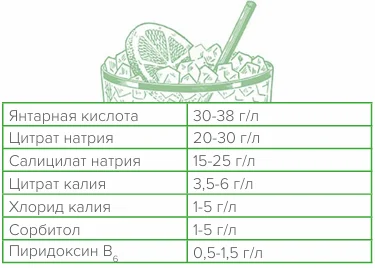
Neotherm is a complex of antioxidants, electrolytes and sodium salicylate
The active ingredients have been selected with the biological processes occurring during heat stress in mind (Figure 1).
The product's organic acids participate directly in the Krebs cycle and have antioxidant, anti-stress and immunomodulatory properties.
The product's organic acids participate directly in the Krebs cycle and have antioxidant, anti-stress and immunomodulatory properties.
Succinic acid, together with vitamin B6, strengthens antioxidant defences, mobilises energy reserves when feed intake is low, restores ATP synthesis and supports the body during heat stress.
Sodium citrate acts more effectively than widely used sodium bicarbonate, which directly changes blood pH. Citrates enter the Krebs cycle, and their metabolism consumes hydrogen ions (H⁺). This leads to bicarbonate ion (HCO₃⁻) formation in the body, helping stabilise pH and restore acid–base balance.
Sodium salicylate acts on the thermoregulatory centre in the hypothalamus and helps lower body temperature to the physiological range. It inhibits cyclooxygenase enzymes, reducing prostaglandin production and providing an anti-inflammatory effect.
Neotherm supports productivity and survival at high temperatures and helps prevent and reduce the effects of management-related and nutritional stress.
Neotherm is a liquid product, allowing administration through the drinking-water system without reformulating the diet. Electrolytes and vitamins dissolved in water also have higher bioavailability than dry forms.
Another promising approach to managing heat stress is the use of natural antioxidants.
Sodium citrate acts more effectively than widely used sodium bicarbonate, which directly changes blood pH. Citrates enter the Krebs cycle, and their metabolism consumes hydrogen ions (H⁺). This leads to bicarbonate ion (HCO₃⁻) formation in the body, helping stabilise pH and restore acid–base balance.
Sodium salicylate acts on the thermoregulatory centre in the hypothalamus and helps lower body temperature to the physiological range. It inhibits cyclooxygenase enzymes, reducing prostaglandin production and providing an anti-inflammatory effect.
Neotherm supports productivity and survival at high temperatures and helps prevent and reduce the effects of management-related and nutritional stress.
Neotherm is a liquid product, allowing administration through the drinking-water system without reformulating the diet. Electrolytes and vitamins dissolved in water also have higher bioavailability than dry forms.
Another promising approach to managing heat stress is the use of natural antioxidants.
Winox is a natural product based on grape seed extract
Its high antioxidant activity is associated with its vitamin P content: bioflavonoids including catechins, proanthocyanidins and related compounds.
Vitamin P acts as an electron donor, participates in reactivating sulphydryl groups in proteins and glutathione, regenerates vitamin E, preserves vitamin C, reduces lipoprotein oxidation and inhibits hyaluronidase activity. It remains in the blood for 72 hours and supports the activity of vitamins E and C, which is a significant advantage.
Together with vitamin C, it helps prevent the breakdown of hyaluronic acid, which supports the circulatory system. It also stimulates tissue respiration, regulates the activity of certain endocrine glands and inhibits histamine and serotonin production.
During heat stress, Winox acts through its strong antioxidant effect at the cellular level. Its bioflavonoids rapidly neutralise free radicals, helping prevent damage to cell membranes and mitochondria while supporting vitamins E and C.
Vitamin P acts as an electron donor, participates in reactivating sulphydryl groups in proteins and glutathione, regenerates vitamin E, preserves vitamin C, reduces lipoprotein oxidation and inhibits hyaluronidase activity. It remains in the blood for 72 hours and supports the activity of vitamins E and C, which is a significant advantage.
Together with vitamin C, it helps prevent the breakdown of hyaluronic acid, which supports the circulatory system. It also stimulates tissue respiration, regulates the activity of certain endocrine glands and inhibits histamine and serotonin production.
During heat stress, Winox acts through its strong antioxidant effect at the cellular level. Its bioflavonoids rapidly neutralise free radicals, helping prevent damage to cell membranes and mitochondria while supporting vitamins E and C.
Conclusion
Using Neotherm and Winox helps improve metabolic processes during stress and supports better production performance.